E-Paper



CBI will require written consent to probe state officials: Madhya Pradesh
The MP government, however, said no permission will be required to probe central government officials or private individuals.


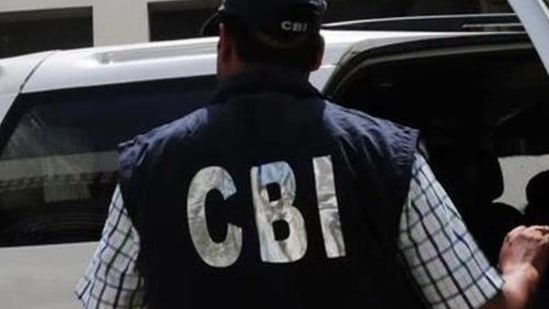
The Madhya Pradesh government has said that the Central Bureau of Investigation (CBI) will need a written permission to initiate inquiries against its “public servants”.
The state government, however, said no permission will be required to probe central government officials or private individuals. A notification in this regard was issued on July 16 and said the order came into effect on July 1.
“In exercise of the powers conferred by section 3 of the Delhi Special Police Establishment Act, 1946 (25 of 1946), no such investigation shall be taken up in cases relating to the public servants controlled by the government of Madhya Pradesh except with the prior written permission of the state government. All previous general consents for any other offences and consent accorded on case to case basis for any other offence by the state government shall also remain in force,” the notification issued by the home department said.
ALSO READ- Indefinite refusal of bail is unacceptable: Supreme Court
“This is an old provision in the state. The new notification has been released after the Bharatiya Nyaya Sanhitha (new criminal laws) came into effect for smooth functioning,” state home secretary Sanjay Dubey said.
States such as West Bengal, Tamil Nadu, Punjab, Telangana and Kerala have withdrawn their general consent for CBI investigations. In Maharashtra, then Maha Vikas Aghadi government had withdrawn the general consent to CBI in 2020 but the order was reversed by the Eknath Shinde-led government in November 2022.